Comprehensive treatment: every piece that affects your sleep
Sleep apnea and poor sleep rarely have one cause, so your plan looks at everything that affects how you breathe and rest at night.
Testing before and after
Why it matters
Without a test, there is no way to know how serious the problem is, or whether treatment fixed it. Untreated sleep apnea is linked to high blood pressure, heart disease, stroke and diabetes.
What we do
We measure your sleep before treatment with a home sleep test ordered by our nurse practitioner, and refer you to a sleep lab when that is the better test. After treatment, we test again with your appliance in place.
Airway and breathing
Why it matters
Your airway is shaped by your jaw, tongue, tonsils, adenoids and nose. A small jaw, a large tongue, large tonsils or a blocked nose can narrow it. When the throat muscles relax at night, a narrow airway closes more easily.
What we do
Dr. Lynch evaluates your airway as part of your exam, including your jaw, bite, tongue and throat. Joanna Booher, our registered dental hygienist, has completed hundreds of hours of continuing education in airway health. When your nose, tonsils or adenoids need a closer look, we coordinate with an ENT.
Oral appliance therapy, a CPAP alternative
Why it matters
A custom oral appliance holds your lower jaw slightly forward while you sleep, which keeps your tongue and soft tissue from blocking your airway. The American Academy of Sleep Medicine (opens in a new tab) supports oral appliances for mild to moderate obstructive sleep apnea, and for severe sleep apnea when CPAP cannot be tolerated. An appliance also helps with snoring.
What we do
We fit a custom appliance made for your mouth by a dental lab, usually over two visits. Then we adjust it in small steps and test again to confirm it works. Appliances are small, quiet, need no electricity, and fit in a pocket when you travel. They are not right for everyone: loose teeth, some jaw shapes and some jaw conditions can rule them out, and we will tell you if that is the case.
How fitting worksCoverage for appliances
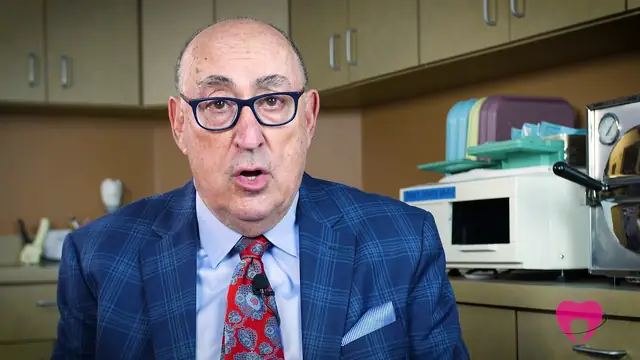 Play video: Obstructive sleep apnea and dental appliances
Jaw pain, TMJ and grinding
Why it matters
Grinding and clenching at night (bruxism) often go hand in hand with sleep apnea, and each can make the other worse. Grinding can lead to jaw pain and TMJ problems.
What we do
We examine your jaw joints at your first visit. If you have jaw pain, we fit your appliance carefully and move it forward gradually so your jaw stays comfortable. A sleep apnea appliance also protects your teeth from grinding, which CPAP cannot do.
Sleep position
Why it matters
Sleeping on your back lets your tongue and soft tissue fall back toward your throat. For some people, changing position reduces breathing pauses.
What we do
We talk through sleep position as part of your plan, and include positional changes when they help you.
Weight, nutrition and activity
Why it matters
A higher body mass index (BMI) is one of the strongest risk factors for obstructive sleep apnea, and losing weight can reduce symptoms (NHLBI: causes and risk factors (opens in a new tab)). Exercise also helps with stress, which affects grinding.
What we do
Your BMI is part of your sleep questionnaire. We give you practical guidance, such as limiting sugar and focusing on fruit, vegetables, lean protein and whole grains, and we coordinate with your physician when weight management is part of your plan.
Alcohol, smoking, medications and habits
Why it matters
Even one drink before bed can make sleep apnea worse. Smoking irritates the airway. Some prescription medications that slow the nervous system, such as sedatives, can contribute to breathing problems at night.
What we do
We review these habits with you and build changes into your plan. If a medication may be involved, we talk with the doctor who prescribed it. Please do not stop or change a prescribed medication on your own.
Stress and anxiety
Why it matters
Stress and anxiety are major drivers of grinding and clenching, and poor sleep makes both harder to manage. Sleep apnea is also more common in people with anxiety and PTSD.
What we do
We ask about stress as part of your screening and include it in your plan, for example through regular exercise. When you need more support, we help you connect with your physician.
Related health conditions
Why it matters
Sleep apnea is linked to high blood pressure, heart disease, atrial fibrillation, stroke, diabetes, depression, headaches and migraines, acid reflux (GERD) and asthma. Some of these raise the risk of sleep apnea, and untreated sleep apnea can make them worse.
What we do
We screen for these links and share your sleep results with the doctors treating them, so your sleep care fits with the rest of your health care.
Working with your doctors
Why it matters
Sleep apnea is a medical condition, and good care is a team effort.
What we do
Dr. Lynch works alongside physicians, ENTs and cardiologists. Our nurse practitioner orders home sleep tests. We refer to sleep labs and to surgeons when those are the better path. Surgery to remove or reshape tissue is usually considered only after other options.